MyQ Locked Out the Smart Home. Your Garage Doesn’t Have to Care.
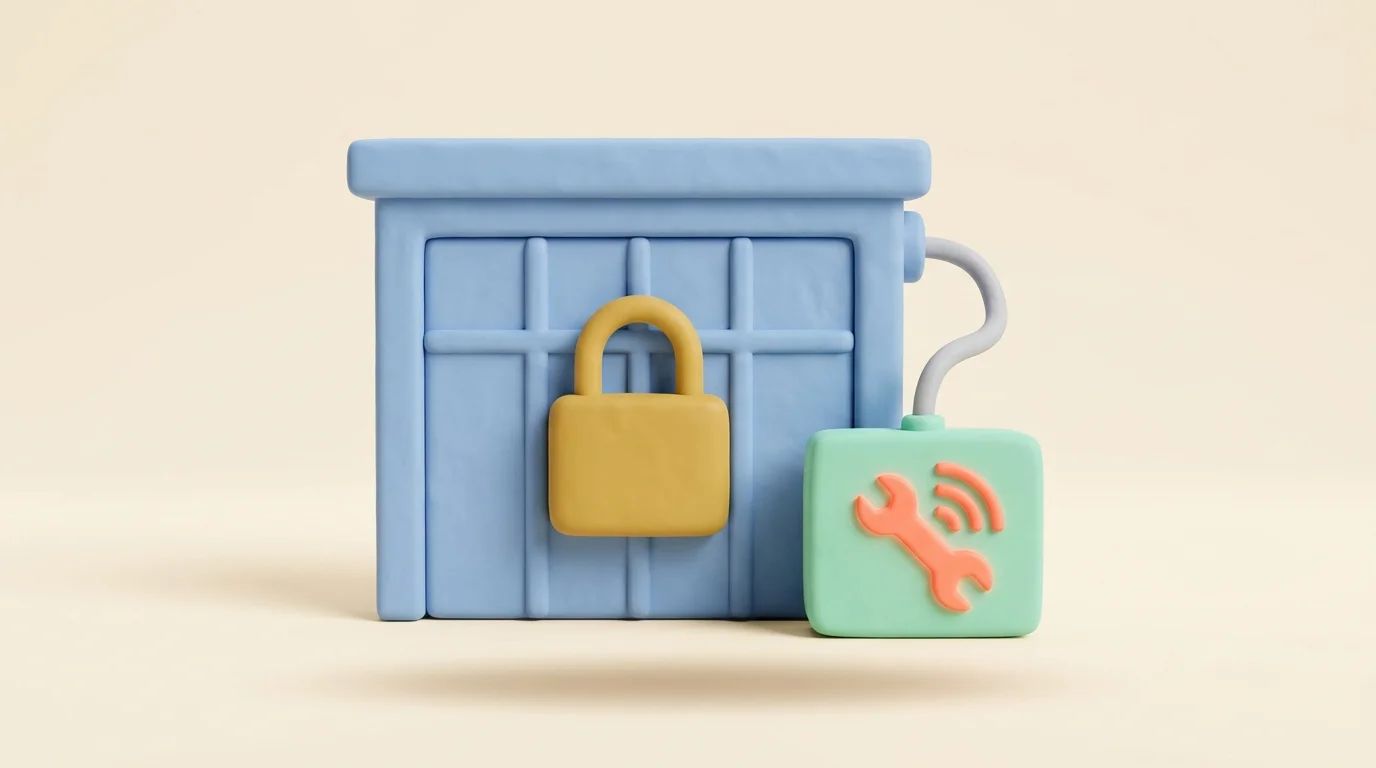
Your garage door opener is one of the most durable machines in your house. The motor on the ceiling routinely outlives cars, roofs, and marriages. So it should bother you that in 2023, millions of people lost smart home control of that machine overnight — not because anything broke, but because the manufacturer decided the connections it didn't profit from should stop working.
This is the story of the MyQ shutdown, what it teaches about buying smart home gear, and the small open-source board that makes the whole problem permanently boring.
What Chamberlain actually did
Chamberlain Group makes roughly seventy percent of the garage door openers sold in the United States, under the Chamberlain, LiftMaster, and Craftsman brands. Its MyQ system was the connected layer on top: an app, a cloud service, and — unofficially — a whole ecosystem of integrations that let Home Assistant, Homebridge, and SmartThings users check and close their doors as part of real automations.
The unraveling came in stages. Official Apple HomeKit support ended when the required bridge hub was discontinued in 2022. The Google Assistant integration was shut down in mid-2023. Then, in late 2023, Chamberlain began actively blocking the unofficial API access that the community integrations depended on, and published a statement framing it as preventing "unauthorized usage" of the MyQ ecosystem — for the benefit, it said, of its users and its authorized partners.
The Home Assistant integration's maintainer described the final weeks bluntly: a game of cat and mouse, and the cat was winning. In November 2023, Home Assistant removed the MyQ integration entirely. Its founder, Paulus Schoutsen, wrote the line that should hang over every smart home purchase decision: once a company decides to be hostile to its customers, the only way to win is not to play their game at all — buy products that work locally and won't stop functioning when management wants an additional revenue stream.
What users lost, and what they were offered instead
If you owned a MyQ-connected opener and used it with Home Assistant, Homebridge, or SmartThings, your automations died. Close-the-garage-when-I-lock-up routines, open-door alerts, presence logic — gone. What remained was the official MyQ app, which reviewers at Ars Technica noted was increasingly stuffed with ads and subscription upsells, plus a short list of paid partners like Alarm.com and Amazon Key.
That trade — your automations for their app — is the tell. The hardware on your ceiling was fine. The radio in it was fine. The only thing that changed was policy, enforced through a cloud service you never really controlled.
Then they did it again
Anyone hoping the backlash would soften the strategy got an answer in 2025. New Chamberlain and LiftMaster openers began shipping with Security+ 3.0, a new encrypted protocol that — as The Verge reported in December 2025 — locks out aftermarket controllers entirely: no ratgdo, no Tailwind, no Meross. Existing openers weren't changed; the wall was simply built into the next generation of hardware. If you're shopping for a new opener and want any hope of local control, the learn button color matters: yellow, purple, red, or orange means the older, controllable protocols; the new white button means locked.
The fix: rage, soldered onto a board
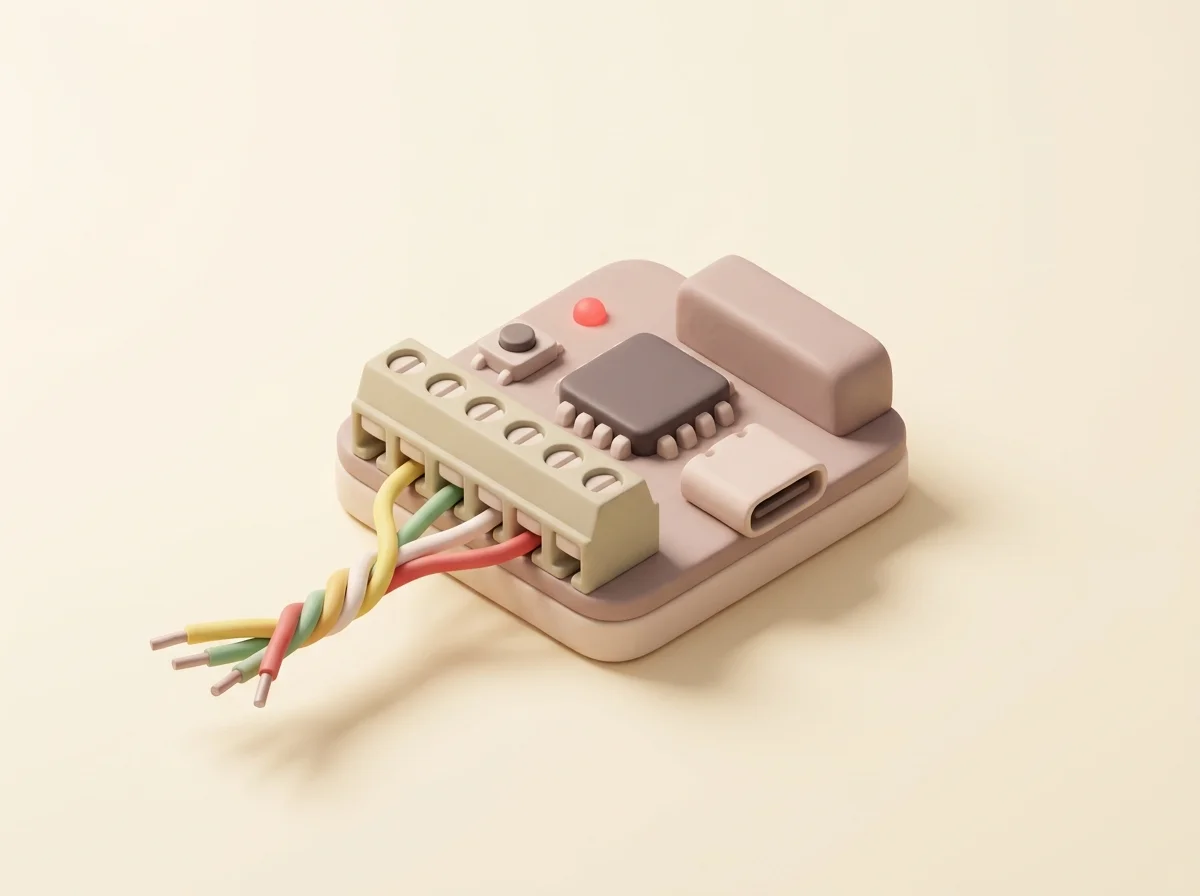
The community's answer to all of this predates the shutdown and outlived it. A developer named Paul Wieland had built a small controller board called ratgdo — short for Rage Against the Garage Door Opener — that wires directly into the opener, speaking its wireline protocol locally. No cloud, no account, no subscription, nothing to revoke. When Home Assistant removed MyQ, its official recommendation was exactly this board, and Wieland's sales reportedly spiked every time Chamberlain tightened the screws — a story the New York Times eventually covered under the headline of one man fighting for the right to control your own garage door.
View Listing
The $62 board that gives Security+ 1.0/2.0 openers fully local control — open-source firmware, works with Home Assistant, HomeKit, or MQTT, and coexists with the MyQ app.
The design is about as future-proof as this category gets. The firmware is open source under the GPL in three variants — ESPHome for Home Assistant, native HomeKit, and MQTT — and it's flashable from a web browser. The protocol knowledge now lives in at least two independent open codebases, because a second company, Konnected, rewrote the stack for its own competing device. If every vendor involved disappeared tomorrow, installed boards would keep working indefinitely, because nothing about them ever depended on a server.
MyQ is not an outlier
The pattern repeats often enough that it deserves a name on this site: the cloud rug-pull. In 2020, Wink gave its hub owners about a week's notice that a monthly subscription was now required to keep using hardware they'd already bought. In 2022, Insteon's servers went dark overnight when its parent company quietly shut down — the app died with them, and only devices with local control kept doing their jobs. That last detail is the entire lesson: when Insteon's cloud vanished, local-first setups barely noticed.
The BIFL test this teaches
Every listing on this site gets graded on three deal-breakers, and the MyQ saga is why they're the right three. Does the device keep working without the vendor's cloud? Is there a documented open or local way to control it? And if the company folded or changed strategy tomorrow, what would you actually be left holding? Chamberlain's openers fail the first two by policy, not by engineering — the motors themselves will run for decades. The tragedy of MyQ is that buy-it-for-life hardware got welded to sell-it-every-quarter software.
What to do with all this
If you already own a Chamberlain or LiftMaster opener with a yellow, purple, red, or orange learn button, the path is cheap and settled: a ratgdo board costs about as much as two months of the subscriptions this industry keeps inventing, and it turns the most reliable machine in your house back into something you control. If you're buying a new opener, check that learn button before you pay — and if it's white, know exactly what you're agreeing to. And as a general rule for everything else in your smart home: the question is never what a product can do the day you buy it. It's who can take that away, and whether the answer is anyone at all.