Back to Blog
Home Assistant Yellow: 6 Months Later
Reviews

Home Assistant Yellow: 6 Months Later

Feb 14, 2026/3 min read

I've been running the Home Assistant Yellow as my primary hub for six months now, and it's been a journey. From the initial setup excitement to the inevitable 3am debugging sessions, here's my honest take — what's held up, what surprised me, and who should actually buy this thing.

What the Yellow is

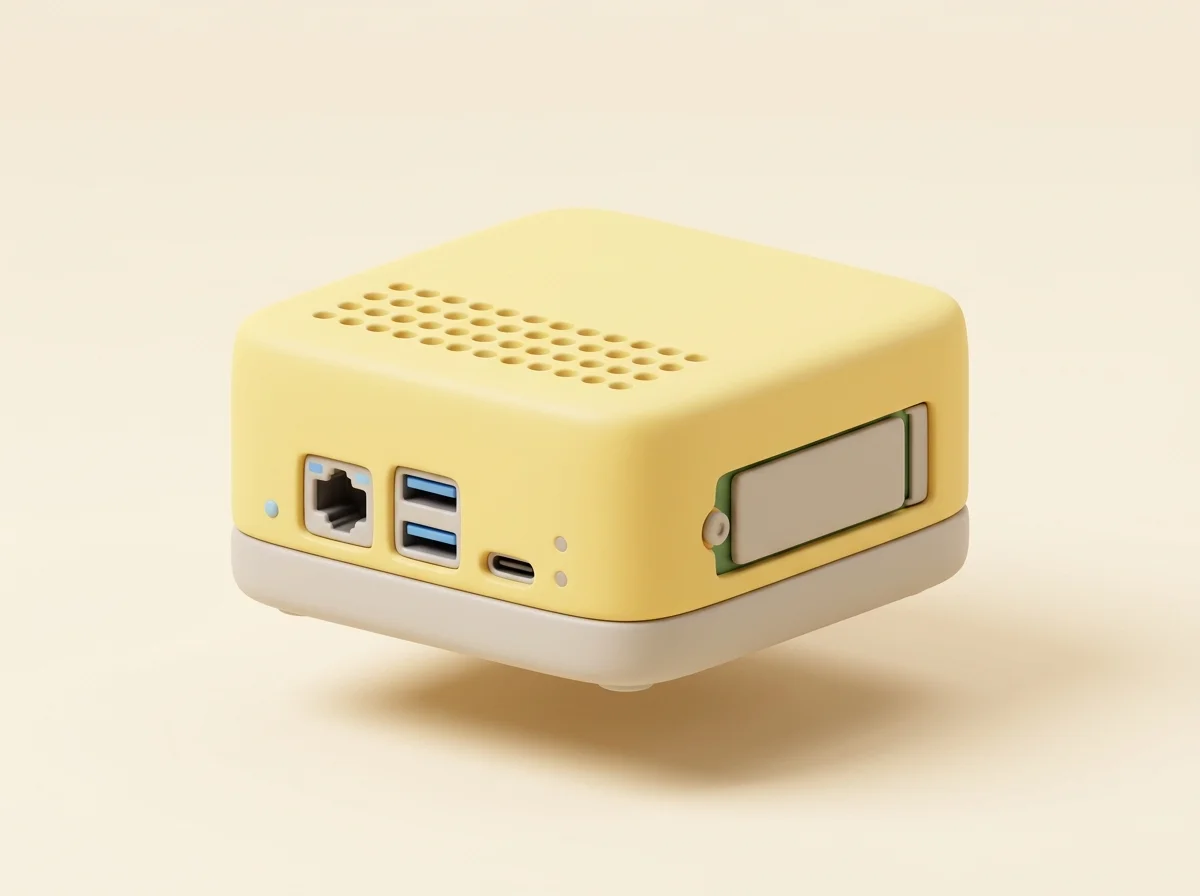
The Yellow is the purpose-built flagship hub from Nabu Casa, the company that employs Home Assistant's core developers. It's a carrier board designed around a Raspberry Pi Compute Module 4, with an onboard Zigbee/Thread radio and an M.2 slot for NVMe storage, in a compact fanless case. Buying one funds the open-source project — which is also why its software support horizon is about the best you can get in this category.

View Listing

Our full listing for the Yellow — specs, deal-breakers, and where to buy.

Setup: one honest evening

The out-of-box experience is genuinely good by DIY-hub standards: assemble, connect Ethernet, power on, and the installer pulls the latest Home Assistant OS. Migrating from my old Raspberry Pi setup was a backup-restore that mostly just worked — the one gotcha was re-pairing a handful of Zigbee devices to the Yellow's onboard radio. Budget an evening, not a weekend.

Six months of performance

This is where the Yellow earns its keep. Automations trigger instantly. The onboard radio has handled my 40-plus Zigbee devices without a single mesh collapse, and boot-to-working takes well under a minute. The thing I'd actually call a revelation is the NVMe slot: Home Assistant's recorder database writes constantly, which is exactly the workload that kills SD cards — the slow corruption deaths that defined the Pi era just aren't a thing here. Six months of sensor history, zero database errors, silent and cool the whole time.

Quirks, honestly: the case is compact enough that the activity LEDs are easy to misread, the CM4 inside means you're capped at that module's RAM until you swap it, and during the worst of the supply crunches both the Yellow and the CM4 itself were genuinely hard to buy.

What I'd tell a friend

If you're starting from zero and watching the budget, the entry-level Green gets you the identical software experience for much less — you add radios as USB sticks instead of having them onboard.

View Listing

The cheaper official hub — same software, radios via USB stick instead of onboard.

The Yellow is for the install you intend to keep: the socketed Compute Module means the brain is upgradeable without replacing the board, the NVMe slot means storage is a non-issue for a decade of history, and the integrated radio means one tidy box instead of a dongle hydra. That modularity is rare in consumer hubs and it's the most buy-it-for-life property hardware can have.

The verdict

If you're serious about smart home and want local control, the Yellow is the best plug-and-play option available. It's not the cheapest, and the Green covers most people's needs — but six months in, the Yellow has been the most boring device in my house, in exactly the way infrastructure should be. It boots, it runs, it keeps every automation local, and I haven't thought about hub hardware since February. That's the review.