Browse
Emporia Smart Plug (Energy Monitoring)

Emporia Smart Plug (Energy Monitoring)

βˆ’Cloud Onlyβˆ’Closed APICloud Required
⚑EnergyπŸ”ŒPlug

Added Mar 3, 2026

About

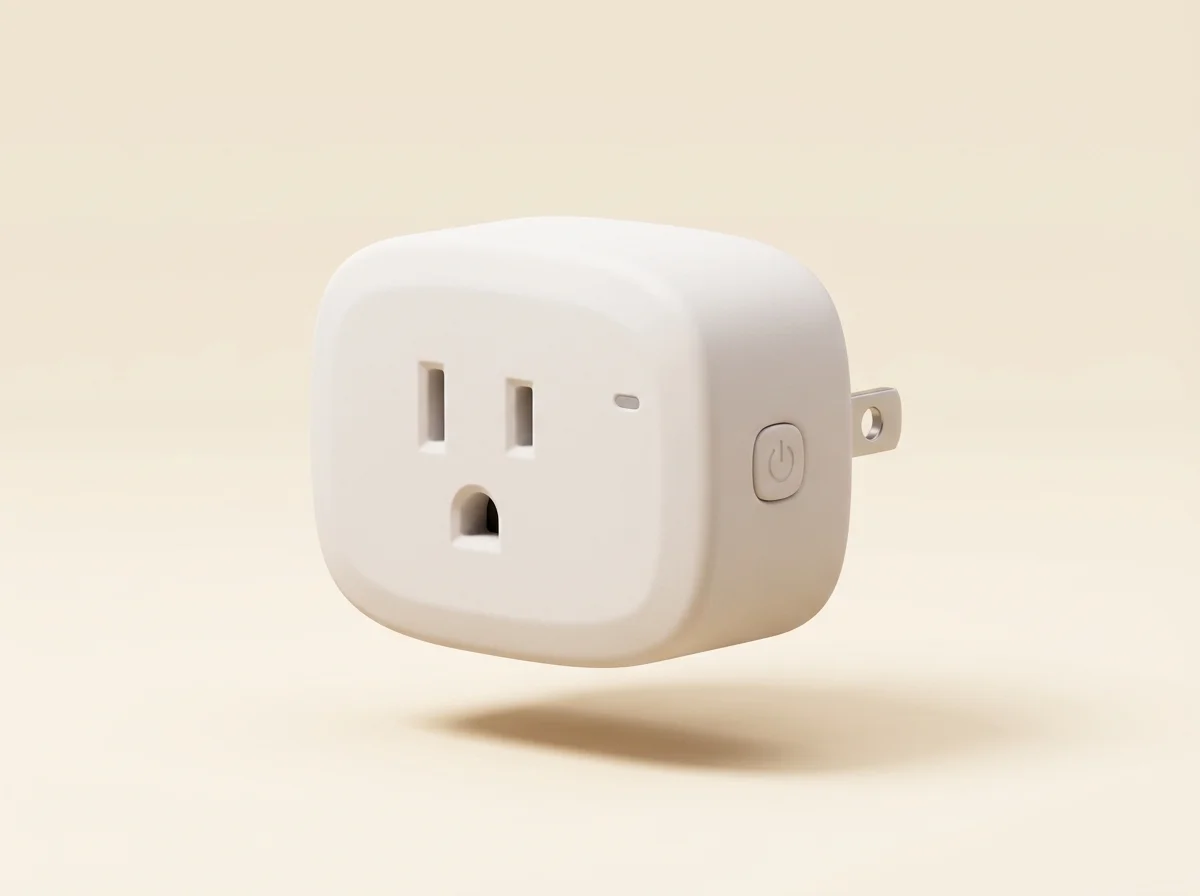
The Emporia Smart Plug is a Wi-Fi smart plug built around energy monitoring rather than treating it as a checkbox feature. It is UL-listed, rated for 15 amps, and feeds per-outlet consumption data into the same Emporia app that serves the company's Vue whole-home energy monitors, which makes it the usual pick for people assembling a low-cost picture of where their electricity goes, appliance by appliance.

Its buy-it-for-life case is honest but qualified. The hardware is solid, the UL listing is a genuine differentiator at this price, and the plugs are cheap enough to deploy widely. But the dealbreaker column on this listing tells the truth: control and data flow through Emporia's cloud, there is no official local API, and that is a real longevity liability you should weigh before standardizing on it.

Longevity Verdict

Electrically the plug is straightforward: a relay plus a metering circuit, with safety certification that many bargain-bin Wi-Fi plugs skip. In its typical role, monitoring an always-on appliance like a fridge, freezer, or home office, the relay rarely switches, so mechanical wear is minimal and the hardware should last many years. The longevity risk is not the hardware, it is the service. The plug requires an Emporia account, and scheduling, control, and monitoring as shipped depend on Emporia's servers staying up. There is an escape hatch worth knowing about: the plug is built on an ESP32 microcontroller, and the community has documented conversions to local-only ESPHome firmware. The process varies by hardware revision, can require disassembly and soldering, and voids the warranty, but it means the hardware is not inherently disposable if the service ever ends.

Cloud Dependence and Data

All official control runs through the Emporia app and cloud. Alexa and Google Assistant are supported via cloud linking; there is no HomeKit and no Matter support as of recent revisions, and no documented local API. Home Assistant users typically rely on community integrations that pull data from Emporia's cloud API, which works but inherits the same dependency. Emporia's free cloud retains usage history at decreasing resolution as data ages, which is adequate for trend tracking. For a buy-it-for-life directory, this is the central caveat: you are buying good hardware attached to a service you do not control. If local control is a hard requirement, look at Z-Wave, Zigbee, or Matter metering plugs instead, or plan on the ESPHome route from day one.

Failure Modes and Repairability

The unit is sealed and not user-serviceable in any conventional sense. The most common real-world frustration is not hardware failure but Wi-Fi: the plug is 2.4 GHz only, and congested or poorly segmented networks are the usual cause of dropouts. Metering accuracy is good for the class and fine for spotting trends and phantom loads, but it is not revenue-grade measurement.

Warranty and Support

Emporia's standard limited warranty has commonly been listed at one year, which is modest next to Zooz's five, so confirm the current terms at purchase. Support is responsive and the app is actively developed, and the company has been shipping energy-monitoring products for years. The realistic framing: this is inexpensive, well-built, UL-listed hardware with a cloud anchor. Deployed for monitoring with eyes open, or reflashed for local control, it can serve for a long time; treated as critical infrastructure in stock form, it is a bet on Emporia's servers.

Specifications

ProtocolWi-Fi, 2.4 GHz only (802.11 b/g/n)
Max load15 A / 1,800 W at 120 VAC
Safety certificationUL listed
Energy monitoringPer-outlet consumption tracked in the Emporia app
Hub requirementNone; connects directly to Wi-Fi
Cloud dependencyRequired; Emporia account and servers needed for stock operation
Local APINone official; community ESPHome conversions documented (voids warranty)
Voice assistantsAlexa and Google Assistant via cloud linking; no HomeKit/Matter
EcosystemIntegrates with Emporia Vue whole-home energy monitors
WarrantyLimited warranty, commonly listed at 1 year (verify current terms)

Frequently Asked Questions

Does the Emporia Smart Plug require the cloud?
Yes, in stock form. Setup requires an Emporia account, and control, schedules, and energy data all route through Emporia's servers. If your internet or their service is down, you lose app control and monitoring, though the relay stays in its last state and a button on the plug still toggles power.
Can I use it with Home Assistant?
Not locally through any official path. Community-built integrations pull data from Emporia's cloud API and work reasonably well, but they depend on that cloud. Fully local use requires reflashing the ESP32 inside with ESPHome, a documented but hands-on community process that voids the warranty.
Can it monitor large appliances like a refrigerator or window AC?
Yes, that is its best use case. It is UL listed and rated for 15 A / 1,800 W, which covers typical plug-in appliances. As with any smart plug, leave headroom on sustained heavy loads rather than running at the rating continuously.
What happens if Emporia shuts down?
As shipped, app control, schedules, and energy history would stop working, which is the core BIFL risk here. The hardware itself could likely be salvaged by flashing ESPHome firmware for local control, but that is a technical project, not a guarantee.
Why choose it over a Z-Wave or Zigbee metering plug?
Price and the app. It costs a fraction of local-protocol metering plugs, needs no hub, and the Emporia app presents energy data unusually well, especially alongside a Vue panel monitor. You trade local control and long-term independence for that convenience.