Browse
Shelly 1PM Gen3

Shelly 1PM Gen3

+Local Control+Open APINo Cloud Needed
🎚️RelayEnergy

Added Mar 3, 2026

About

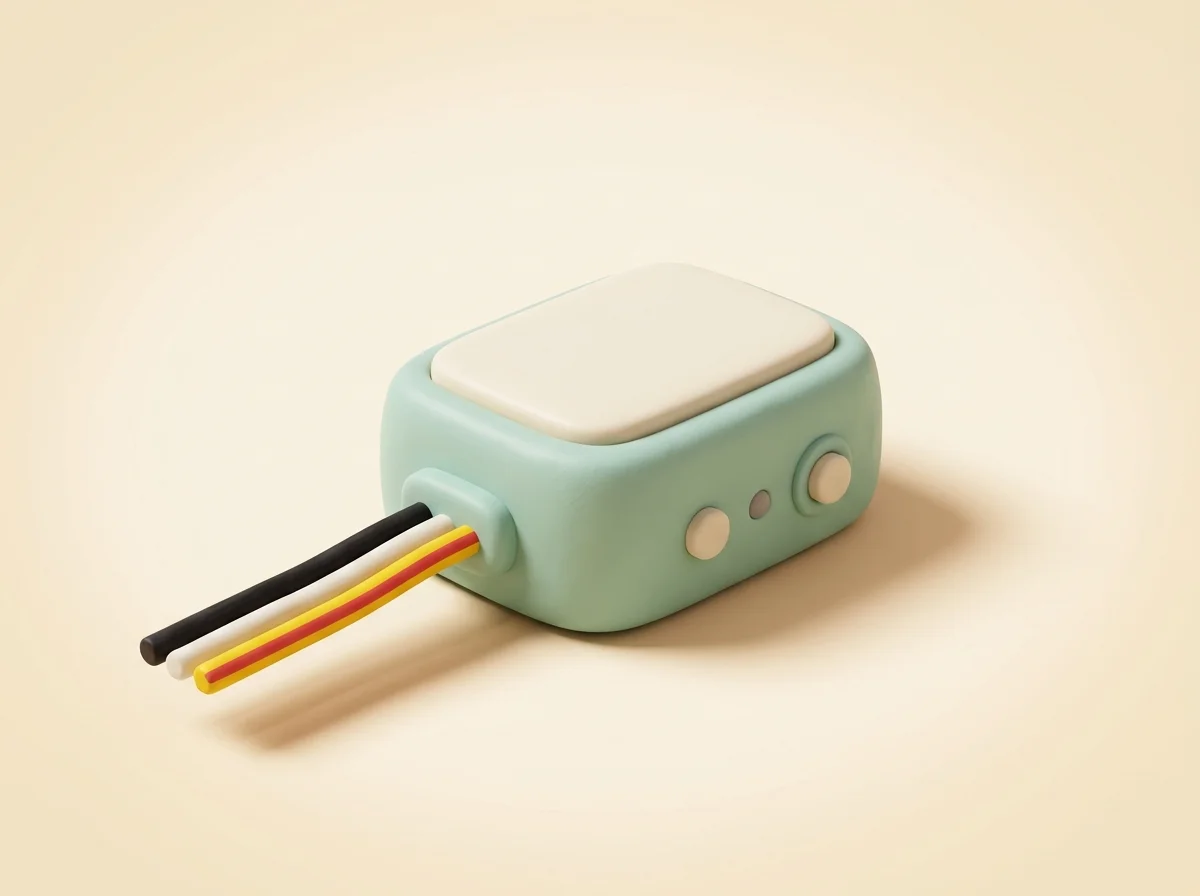
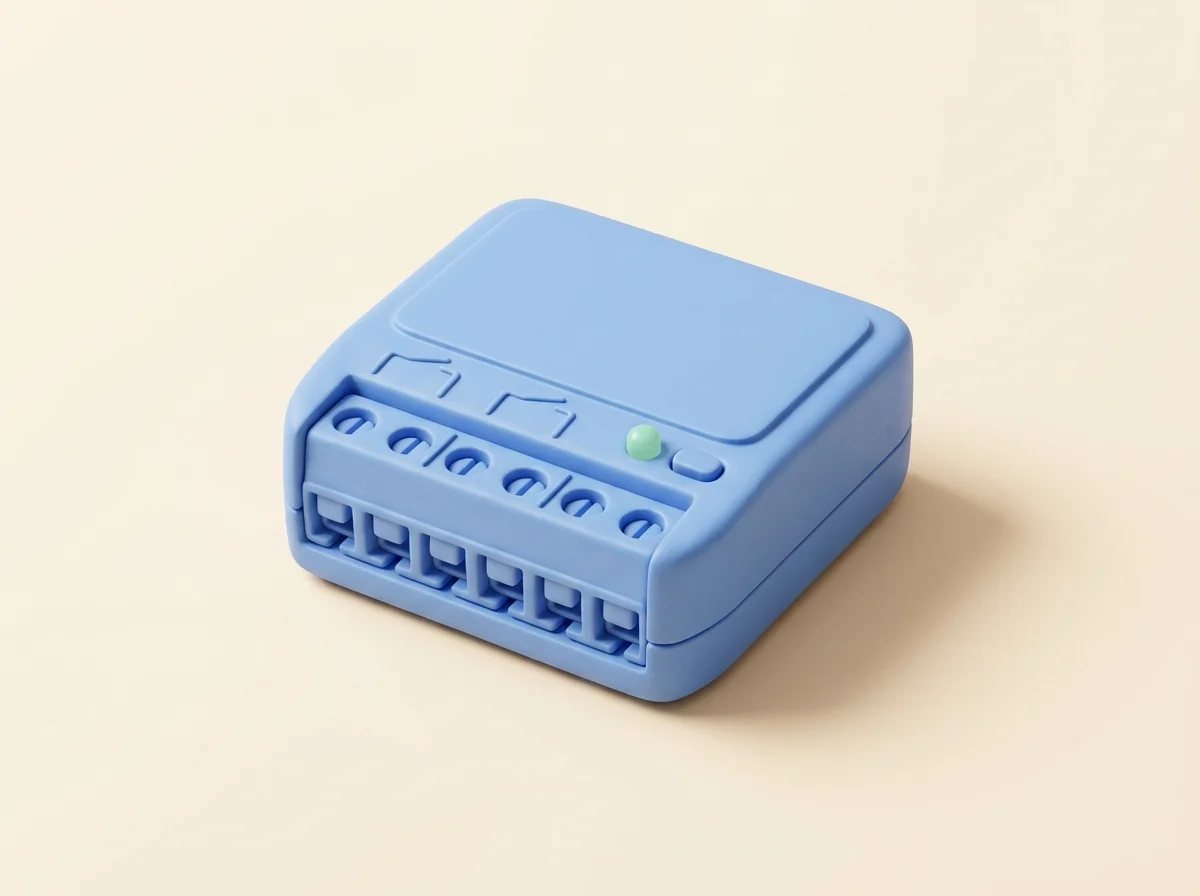
The Shelly 1PM Gen3 is a compact Wi-Fi relay with built-in power metering, the third-generation successor to one of the most popular DIY smart relays ever made. It installs behind a wall switch or outlet, switches loads up to 16 amps on 110-240 volt AC circuits, and continuously reports active power and accumulated energy use — a smart switch and an energy monitor combined in a single flush-mount module roughly 41 by 36 by 17 millimeters.

It earns a buy-it-for-life listing for the same structural reason as the rest of the Shelly lineup: complete local control. The device serves its own web interface, exposes documented HTTP RPC and WebSocket APIs, and supports MQTT out of the box. No account or cloud service is required, and as of recent firmware revisions Gen3 devices also support Matter, adding a second standards-based local control path alongside Shelly's native API.

Longevity Verdict

Power metering is what changes the longevity math. Knowing exactly what a circuit draws lets you catch failing appliances early, verify that loads stay within the relay's rating, and build energy automations that can pay back the purchase price. The Gen3 platform brought more memory and processing headroom than earlier generations, which matters for long-term firmware support — devices with headroom keep receiving features, while devices without it get frozen. Shelly's track record here is reassuring: earlier generations continued receiving firmware updates for years after their successors launched. The relay is rated at 16 amps, and as with any mechanical relay, conservative loading is the single biggest factor in service life. On-device JavaScript scripting means metering-based automations can run with no hub whatsoever.

Failure Modes & Repairability

Expected failure modes mirror other flush-mount relays: relay contact wear under heavy or inductive loads, heat stress in crowded junction boxes, and surge damage to the power-supply section; the metering circuitry adds little extra risk. Like all compact sealed relays, the unit is not practically user-repairable, so the repair strategy is replacement — inexpensive and wiring-compatible within the product family. The durable asset is your configuration and your data: energy history accumulates in Home Assistant or whatever local platform you run, not in a vendor cloud, so a hardware swap costs minutes rather than years of records. Keep sustained loads well under the maximum rating and give the box reasonable ventilation, and these units commonly serve for many years.

Warranty & Support

Shelly's manufacturer warranty depends on the sales channel: EU buyers are covered by two-year statutory consumer protection, while US retail purchases typically carry a shorter limited warranty, so confirm terms with the reseller. The support picture beyond the warranty is what stands out — full public API documentation, an active firmware release cadence across all device generations, Matter support arriving as a free update rather than a new SKU, and a large community of integrators. The usual safety note applies: this is a mains-voltage device that should be installed with power off, in accordance with local electrical code, and by a qualified electrician where required. For monitored switching at this price, the 1PM Gen3 is an easy recommendation.

Specifications

Relay16 A max at 110-240 V AC
Power meteringActive power and accumulated energy
ConnectivityWi-Fi 2.4 GHz, Bluetooth
MatterSupported via firmware (recent revisions)
Local APIsHTTP RPC, WebSocket, MQTT
ScriptingOn-device JavaScript (mJS)
Inputs1 switch input
DimensionsApprox. 41 x 36 x 17 mm
CloudOptional; never required
Warranty2-year EU statutory; check US reseller terms

Frequently Asked Questions

Does the Shelly 1PM Gen3 need a cloud account?
No. Configuration, control, and energy readings are all available locally through the device's own web interface, HTTP and WebSocket APIs, and MQTT. The Shelly cloud app is purely optional.
How useful is the power metering in practice?
It reports real-time power and cumulative energy per channel, which is plenty for spotting failing appliances, tracking heater or pump usage, and energy-based automations. It is a monitoring tool, not a revenue-grade utility meter.
Does it work with Apple Home, Google Home, or Alexa?
Recent Gen3 firmware adds Matter over Wi-Fi, which enables local integration with Matter-capable ecosystems, alongside the existing native integrations. Check current firmware notes for the state of Matter feature coverage before relying on it.
What is the difference between the 1PM Gen3 and the Shelly 1 Gen3?
The 1PM adds power metering and switches the AC line directly, while the plain Shelly 1 Gen3 uses a dry-contact relay and supports low-voltage applications. Pick the 1PM when you want energy data on an AC load.
Can I install it myself?
It is a mains-voltage wiring job in a wall box and typically needs a neutral conductor present. Experienced DIYers install it with the circuit de-energized; otherwise, or where local code requires it, use a qualified electrician.