Reolink Duo 3 PoE
Added Mar 3, 2026
About
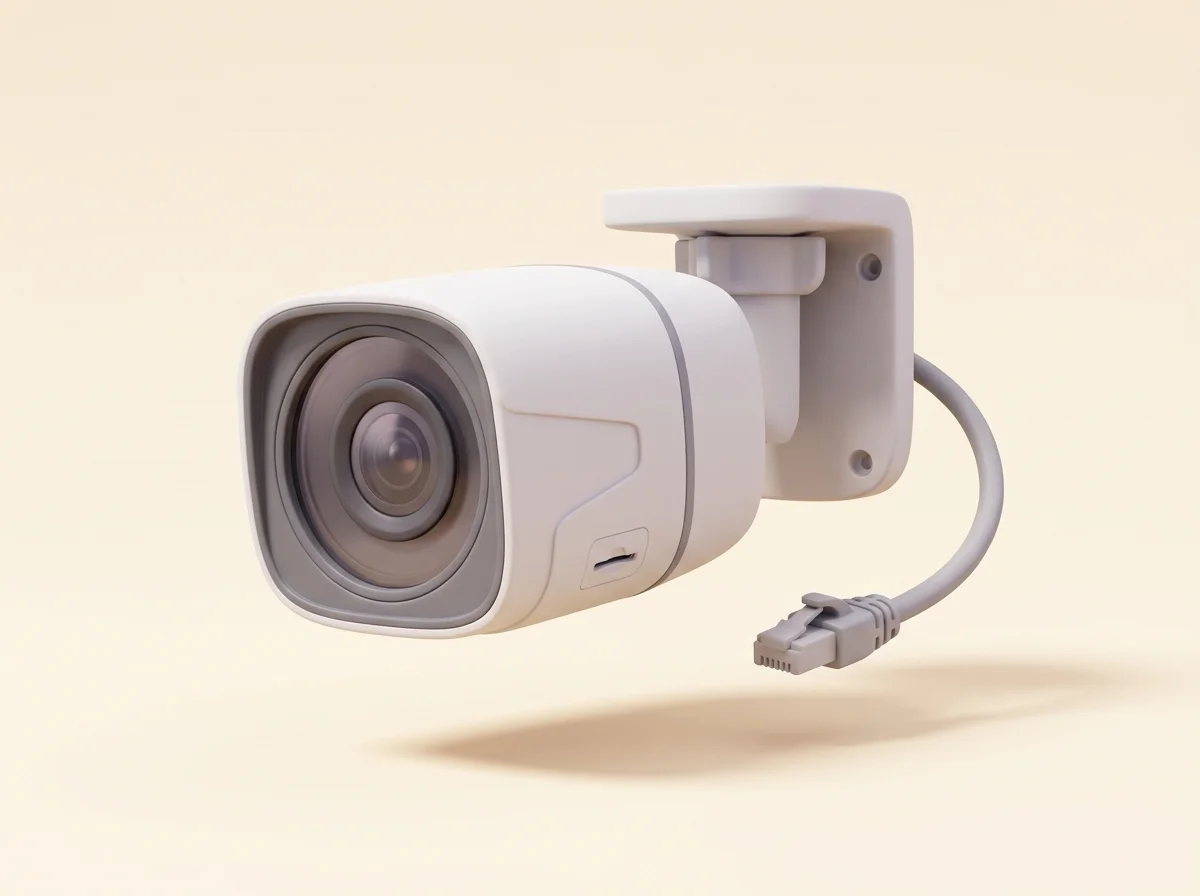
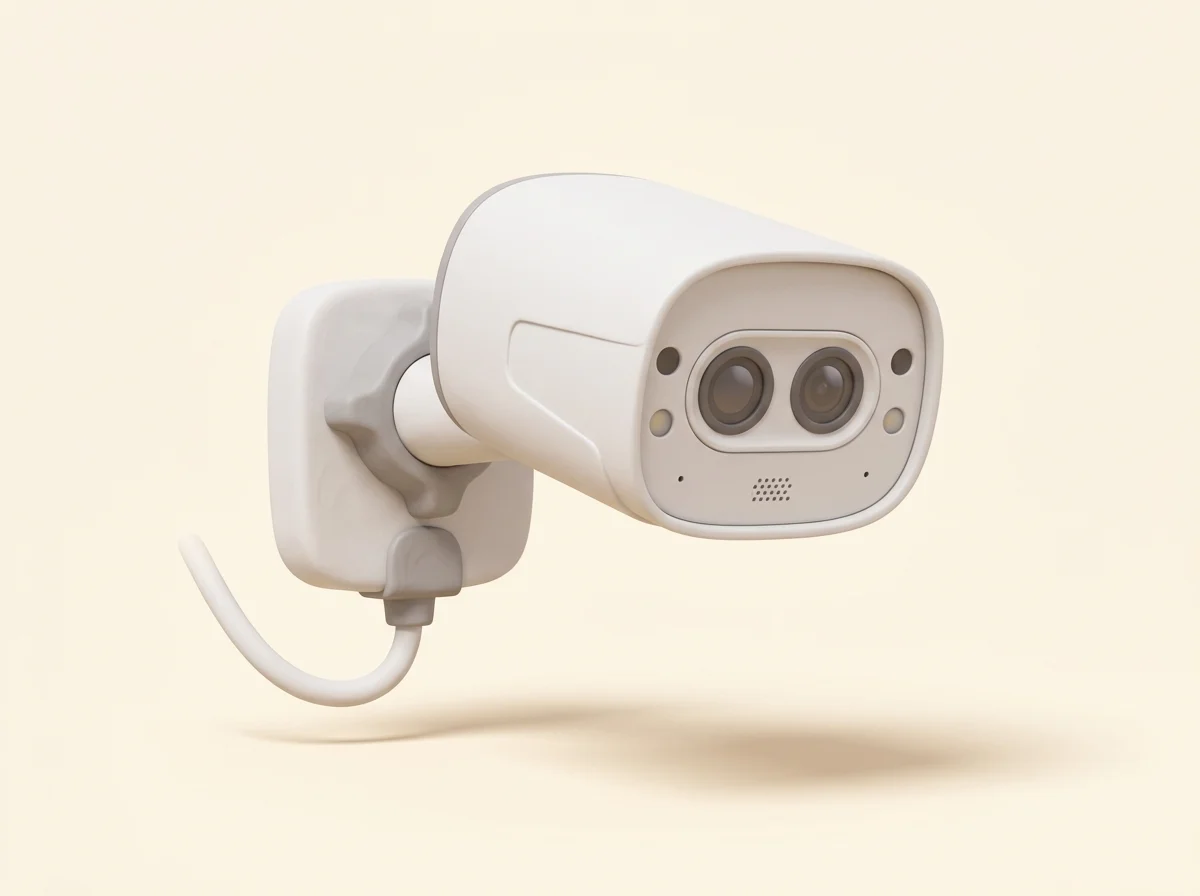
The Reolink Duo 3 PoE is a dual-lens wired security camera that stitches the output of two 4K sensors into a single ultra-wide 16MP panoramic image, covering roughly 180 degrees of horizontal view from one mounting point. In practice, one Duo 3 on a wall can replace two conventional cameras, with one Ethernet cable supplying both power and data. Recording happens locally, to an onboard microSD card or a Reolink NVR, and the camera exposes standard ONVIF and RTSP streams for third-party recorders.
It earns its listing here on the same grounds as Reolink's other PoE hardware: it is local-first, subscription-free, and built on open protocols, so its useful life is determined by the hardware rather than by a vendor's cloud roadmap. The deal-breaker flags on this listing are clean because nothing essential, recording, playback, detection, or streaming, depends on Reolink's servers. Cloud connectivity exists purely as an optional convenience for remote viewing and off-site clip backup.
Longevity Verdict Wired PoE construction is the most durable architecture in consumer security: no battery chemistry to age, no Wi-Fi link to degrade, and a weather-sealed housing rated for year-round outdoor mounting. The Duo 3 adds one consideration unique to its design: it has two of everything optical, two lenses and two sensors, plus on-camera stitching logic, which is more that could theoretically drift over a very long horizon. That said, there are no moving parts, and the stitching is computational rather than mechanical. The honest consumables are the microSD card, which wears like any flash storage under continuous recording, and the IR illuminators, whose LEDs dim only after many years. With open RTSP output, the camera remains useful with any standards-based NVR even after Reolink eventually ends firmware updates for the model.
Local-First Architecture Everything that matters runs on your LAN: continuous or event recording to microSD or NVR, on-device person and vehicle detection, and direct local connections from the Reolink app. Third-party platforms such as Blue Iris, Frigate, and Synology Surveillance Station can consume the stream over RTSP or ONVIF, though be aware that the unusually wide stitched resolution is demanding, so check that your recorder and its hardware can handle a 16MP feed; some users run detection on the substream for efficiency. Remote access via Reolink's relay is optional, and a VPN gives you cloud-free remote viewing if you prefer zero third-party involvement.
Failure Modes & Repairability Like most outdoor cameras, the unit is a sealed assembly with no user-serviceable parts and no published internal spares, so a true hardware failure means replacement. The failures that actually occur in the field are overwhelmingly installation-related: water wicking into unsealed Ethernet connections, surges on long outdoor cable runs, and undersized PoE budgets on cheap switches. Seal the junction properly, use a quality 802.3af/at switch, and the realistic service life is many years. A stitch line that needs occasional alignment tuning in software is a quirk of dual-lens designs worth knowing about, not a defect.
Warranty & Support Reolink provides a two-year limited warranty on its wired cameras, double the coverage typical of cloud-tied consumer brands, and its firmware support across older PoE models has historically run well beyond the warranty window. Documentation and ticket support are solid. Verdict: a wide-coverage, locally controlled camera with no recurring costs and a graceful long-term story, with the only buy-it-for-life caution being the added optical complexity inherent to any dual-sensor design.
Specifications
| Resolution | 16MP stitched panorama (7680 x 2160) |
|---|---|
| Optics | Dual lenses and dual sensors, seamless stitched image |
| Field of view | Approximately 180 deg horizontal |
| Power | Power over Ethernet, single-cable installation |
| Local storage | MicroSD card slot (up to 256GB) or Reolink NVR |
| Open protocols | ONVIF and RTSP for third-party NVRs |
| Smart detection | On-device person, vehicle, and animal detection |
| Night vision | Infrared plus color night modes with onboard illumination |
| Weather rating | IP-rated weatherproof housing for outdoor use |
| Warranty | 2-year limited |
Frequently Asked Questions
- Does the Reolink Duo 3 PoE need a subscription or internet connection to work?
- No subscription and no cloud account are required for full core functionality. The camera records continuously or on motion to its own microSD card or to a Reolink NVR on your local network, runs person and vehicle detection on the device itself, and serves live video over your LAN. An internet connection is only needed for remote viewing away from home through Reolink's optional relay service and for downloading firmware updates. Reolink sells an optional cloud plan for off-site clip backup, which protects footage if the camera or recorder is stolen, but skipping it costs you nothing in day-to-day capability. That cost profile compounds over time: across five or more years of service, a subscription-free PoE camera commonly ends up cheaper in total than a heavily discounted cloud camera whose mandatory plan quietly costs more than the hardware did every single year.
- Can one Duo 3 really replace two cameras, and what are the limits?
- For wide, flat coverage, a driveway plus front yard, the long side of a house, a backyard fence line, the stitched 180-degree view genuinely does the work of two conventional cameras from a single mount, which also halves cabling and switch ports. The limits are worth knowing: panoramic width comes at the cost of pixel density at long distances, so it excels at covering breadth within roughly 30 to 40 feet rather than identifying faces at long range, and the stitch seam directly in front of the camera can show minor artifacts on close subjects. Pair it with a telephoto or varifocal camera if you need distant detail. Mounting height matters more than usual with panoramic cameras as well: Reolink's guidance and community experience both favor moderate heights around eight to ten feet, which keep subjects large in frame and minimize the dead zone directly beneath the camera.
- Will it integrate with Frigate, Blue Iris, Home Assistant, or Synology?
- Yes. The Duo 3 exposes standard RTSP and ONVIF interfaces, so all the mainstream self-hosted recorders, Frigate, Blue Iris, Synology Surveillance Station, and Home Assistant through its Reolink or generic camera integrations, can consume the stream directly with no cloud involvement. One practical note: the stitched 16MP main stream is unusually large, so make sure your recorder hardware can decode it comfortably; many users record the main stream while running motion detection on the lower-resolution substream. Reolink-specific conveniences like in-app stitch adjustment live in Reolink's own software, so configure the camera there first, then hand the stream to your NVR. Bandwidth planning is the other practical note: a 16MP main stream is a substantial bitrate on a busy network, so wired backhaul between the camera's switch and your recorder is strongly preferable to any wireless bridge along the path.
- What happens to the camera if Reolink ever shuts down or drops support?
- The camera keeps working. Recording, playback, on-device detection, and the open RTSP and ONVIF streams are all local and have no dependency on Reolink's servers, so a third-party NVR would continue receiving footage indefinitely. What you would lose is the optional cloud relay for easy remote access, optional cloud backup, and future firmware updates, which matters mainly for security patches; isolating cameras on a separate VLAN without internet access is the standard mitigation and is good practice anyway. This worst-case behavior, degrading to a still-useful open-protocol camera rather than a brick, is precisely why it qualifies for this directory. If you do keep cameras internet-connected for convenience, enabling automatic updates while the model is supported and reviewing Reolink's security advisories occasionally is a reasonable middle ground between convenience and the fully isolated VLAN approach preferred by self-hosting purists.
- What ongoing maintenance does a Duo 3 installation need?
- Three routine items. The microSD card is the only true consumable: continuous 16MP recording wears flash storage faster than smaller cameras do, so use a high-endurance card and plan to replace it every couple of years, or record to an NVR with a surveillance-rated hard drive instead. Apply firmware updates from Reolink a few times a year while the model is supported. And do seasonal physical upkeep: wipe both lens windows, since a smudge on either lens shows up in the stitched image, verify the Ethernet junction's waterproof seal before winter, and knock down spider webs, the universal cause of nighttime false alerts. Budget roughly fifteen minutes twice a year for the whole routine; compared with replacing battery cameras' cells or paying recurring cloud fees, this is about as low as ongoing ownership burden gets in home security.